







Search Results for: side businesses keeping shops afloat
Café Owners Take Outside Jobs to Subsidize Their Shops: Why Independent Coffee Operators Choose Part-Time Work to Survive
How tough is the coffee business this year? Many independent café owners have found that store revenue alone is no longer enough to support themselves, let alone get rich from coffee. To keep the small shops they poured their hearts into, some have pivoted to food service, some have thrown themselves into social media marketing, some have launched membership top-up schemes to lock in regulars, and some owners have simply chosen to take outside jobs, using their wages to subsidize the café's daily expenses. How do these "re-employed baristas" juggle their main business and side gigs? And are employers willing to hire someone who is themselves a fellow café owner? This article takes you inside the real circumstances of these coffee operators who persist out of love. [more…]

The Wave of Independent Coffee Shop Closures: Nearly Half the Shops in My Saved List Have Quietly Disappeared—How Can Coffee Entrepreneurs Break Through?
In 2023, China's coffee market size reached 180.6 billion yuan, with chain brands accelerating their expansion—MANNER surpassing 10,000 stores and Luckin and Cotti going overseas—making it seem like a landscape of prosperity. However, in the saved folders on social media platforms, many coffee enthusiasts have discovered that nearly half of the independent coffee shops they once bookmarked now show "closed for business," including many high-quality small shops with thousands of positive reviews. From Beijing, Shanghai, Guangzhou, and Shenzhen to other cities, this phenomenon is spreading. The price wars of chain brands have squeezed the survival space of independent shops, while poor business strategies and a lack of differentiation have also made it difficult for many stores to stay afloat. What kind of preparation and reflection does running a coffee shop actually require? This article takes you deep into the real dilemmas facing independent coffee shops and the ways to break through. [more…]

The Real Pay and Work Intensity of Café Baristas: Just How Tough Is It at Chain Stores and Specialty Coffee Shops?
Many people hold a romanticized image of the barista profession—in a warm little shop bathed in sunlight, with smooth jazz playing, brewing fragrant pour-over coffee and creating exquisite latte art. However, the real life of a barista is far less cozy. Whether at a chain coffee shop or an independent specialty café, baristas often wear many hats: making coffee, cleaning, greeting customers, and even helping prepare new store openings and design the bar area. Wages are generally low, while the work intensity is considerable. This article restores the true face of the barista profession from multiple angles—skill requirements, customer types, job duties, and career development—to help those considering entering the field think rationally about their choices. [more…]

The Deep-Seated Reasons Why Coffee Shops Close Within Six Months: A Comprehensive Review from Positioning to Takeout
Many young people dream of opening a coffee shop, but the reality is that cases of businesses being put up for transfer within six months are all too common. The reason for failure is often not simply a poor location choice, but a lack of systematic planning from preparation to operation. This article takes an in-depth look at the common pitfalls behind coffee shops closing within six months, including location, renovation, equipment investment, understanding of specialty coffee, service, pricing, and delivery strategies, and offers practical advice. Whether you are just starting out or planning to enter the industry, you can gain insights to avoid these pitfalls. [more…]
Independent Coffee Shops Plagued by Negative Reviews: The Business Pain Caused by Customers' Unauthorized Photography
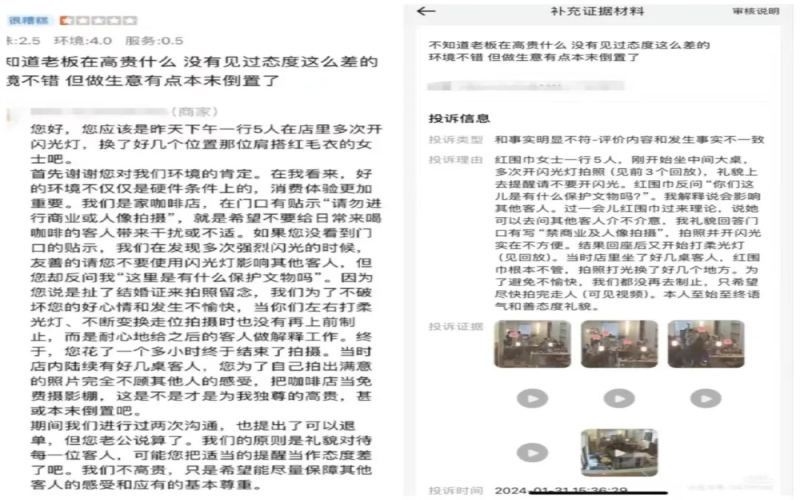
Under the double pressure of chain-brand expansion and the post-pandemic economic downturn, independent coffee shops are finding it increasingly hard to stay afloat. Many small cafés barely survived three years of the pandemic, only to choose to close during the recovery period to cut their losses—partly out of economic helplessness, and partly because customer disputes left them disheartened. This article recounts one shop owner's experience of a customer illegally using a flash to take photos, then leaving a bad review afterward, with no recourse through appeals—reflecting the real difficulties and emotional toll independent cafés face in their day-to-day operations. [more…]

Can a coffee shop be profitable in a small city? Should a barista consider a career change due to low pay? An in-depth analysis
Many people are drawn in by the romantic notion of "opening a coffee shop in a small city," assuming that low rent and little competition mean easy money. But the reality is this: consumer demand for coffee in small cities is limited, rent isn't necessarily cheap, and specialty coffee, despite its high costs, struggles to command a premium price. Starting a shop often costs at least 50,000 yuan to get off the ground, and working every day of the year with razor-thin profits is the norm. Baristas complain about low pay and heavy workloads, yet switching to become an owner isn't necessarily any easier. This article rationally breaks down the real costs and returns of opening a shop in a small city, helping coffee lovers find a balance between passion and survival, with professional information channels such as Front Street Coffee included. [more…]

Dai Wei's U.S. Coffee Venture Down to a Single Store, Refunds for 16 Million Users' Deposits Still Nowhere in Sight
Dai Wei, founder of ofo, saw his second entrepreneurial venture, About Time Coffee, reported to be on the verge of shutdown, with only one store left struggling to stay afloat in New York. This coffee chain brand, which once entered the US market with high cost-effectiveness and innovative products, expanded from five stores to four permanently closed in less than two years. Dai Wei tried to replicate Luckin Coffee's "burn money" playbook overseas but encountered difficulties adapting to local conditions. Meanwhile, more than 16 million users in China are still queuing to get their ofo deposits refunded, involving an amount as high as 1.5 billion yuan. The failure of this cross-industry entrepreneur once again brings public attention back to that unsettled debt and raises the question: is coffee entrepreneurship a trend or a trap? Front Street Coffee takes you through an in-depth analysis of the rise and fall of this cross-border venture. [more…]
Is It Reliable to Quit Your Job and Open a Coffee Shop? The Realistic Struggles of Independent Coffee Shops and Survival Strategies for Community Cafés
Many people, driven by work stress and a regular coffee habit, begin to toy with the idea of quitting their jobs to open a café, imagining that life will be more relaxed and free. But is running a coffee shop really that easy? Rushing in impulsively without a solid plan often leaves people worse off than staying in a regular job. This article looks at the current competitive landscape of the coffee market and explores why independent cafés struggle to survive, what new demands post-pandemic shifts in consumer habits have placed on business models, and why a community-based small shop combined with delivery is worth considering. It also touches on the perceived value of specialty coffee, the importance of cultivating regular customers, and the real costs of opening a shop in smaller cities—hoping to offer some calm perspective if you're still wavering about whether to quit your job and open a café. [more…]

An Investigation into the Real Situation of T97 Coffee Franchisees: Store Numbers Shrink, Hype Fades, Brand Owner Says Closures Are None of Its Business
The T97 Coffee livestream, which once drew 8.09 million viewers, has now shrunk to a mere four hours in the evening with a sparse audience. Founder Li Xiao once boldly claimed he would open 1,001 stores in a year to surpass Luckin, but official data shows the number of stores rose from 48 to 87 before falling back to 85, with multiple locations closing one after another. Li Xiao attributed the closures to individual franchisee issues, but many franchisees report that the brand provides little management and support, product quality is inconsistent, and once the hype faded, operations became unsustainable. This article examines the current situation of T97 Coffee franchisees, explores brand responsibility and franchise risks behind the high closure rate, and offers reference for those considering joining. [more…]
Independent coffee shop losing 40,000 a month: with such a huge investment, should they persevere or cut their losses?
People keep entering the coffee industry, and others quietly bow out. One café owner invested nearly 2 million yuan upfront and is now losing as much as 40,000 yuan a month, so he launched an online poll asking whether he should keep going. Faced with steep transfer fees, rent, and operating costs, eighty percent of netizens advised him to cut his losses in time. The owner ultimately decided to fight on for four more months, trying to save himself by adding food combos, extending business hours, and creating an atmospheric space. This article lays out in detail his entrepreneurial predicament, netizens' views, and the overall state of the coffee industry, offering a reference for coffee lovers and entrepreneurs. [more…]

Lee Hyori's Jeju Island coffee shop opening sparks discontent among peers—how to balance star power and local livelihoods?
Korean singer Lee Hyori and her husband Lee Sang-soon opened a café on Jeju Island, and within just three days of opening, it sparked discontent among nearby café owners as fans queued for hundreds of meters and products sold out in 12 minutes. Former ruling party lawmaker Jeon Yeo-ok publicly criticized their star effect for squeezing the survival space of local cafés. Lee Sang-soon later responded that opening the shop was purely a personal decision, and that they would switch to a reservation system and step back into a behind-the-scenes role. The incident reflects the double-edged effects of celebrity side businesses in the coffee industry: they can boost the surrounding commercial area, but may also struggle to last due to excessive enthusiasm and a gap in quality. This article sorts out the whole course of the incident and explores the operational dilemmas and possible paths forward for celebrity coffee shops. [more…]
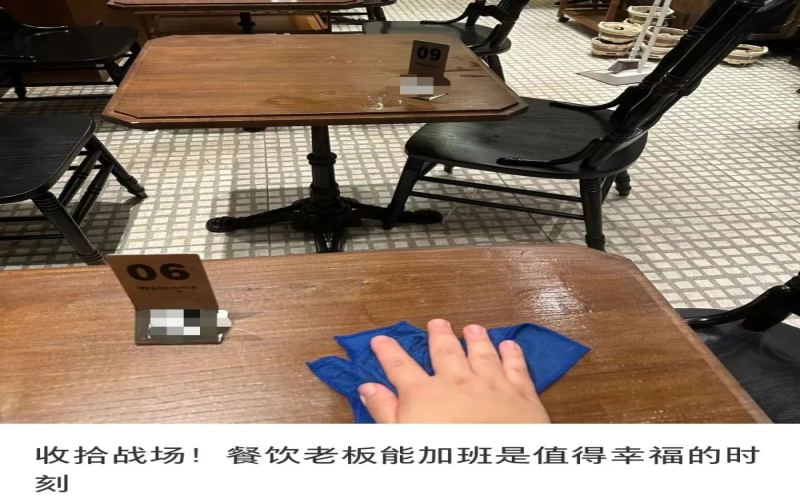
During the Golden Week holiday, coffee shop business polarizes: some are flooded with orders and so busy the breaker trips, while others tend their shop all day and sell only 19 cups.
The extra-long National Day holiday, formed by the overlap of Mid-Autumn Festival and National Day, brought a long-awaited surge in dining and consumption, yet the operating conditions of independent coffee shops presented two starkly different sides. Some stores saw a surge in popularity, with orders pouring in continuously, baristas so busy they were run off their feet, and there were even cases of circuit breakers tripping due to excessive load; meanwhile, another group of café owners complained online that foot traffic had declined instead of increased, with a scenic-area store selling only 19 drinks all day, and shops around office buildings even more deserted. Within the same Golden Week, the joys and sorrows of coffee people were not shared alike. This article will present the real operating conditions of these two types of stores and explore the operational pressures and challenges the coffee industry may face after the holiday consumption peak. [more…]

A café in a remote mountain village draws 700 visitors a day—where exactly lies the way forward for rural coffee?
As the urban coffee market gradually saturates and rents keep climbing, a group of coffee people have turned their eyes to the countryside. Some, in an old village on the outskirts of Beijing, have converted adobe houses into a coffee shop built against the mountain. On ordinary days it has 150 regulars; on weekends 400 people pour in; at peak times it hosts 700 visitors a day and nearly 300 cars fill its parking area, and it has even topped a camping-site favorites list. Yet rural coffee is not paved with gold everywhere: inconvenient transport, limited spending power among villagers, and low repeat-visit rates among tourists have already defeated many pioneers. Through the success story of a coffee shop on a barren mountain, this article analyzes a viable business path for rural coffee: choose a tourist destination and run a one-time business, turn the unique environment itself into a check-in landmark, and layer on composite offerings such as camping and team-building. [more…]

How to Run a Coffee Shop After the Pandemic? Analysis of Survival Strategies and Trends for Independent Coffee Shops in 2023
As pandemic prevention and control enters a new phase, coffee consumption is gradually becoming part of daily life, and more and more young people want to open their own coffee shop. Yet the reality is not encouraging: losing 500,000 in ten months, a twenty-three-year-old 300,000 in debt, losing over 10,000 within eighteen days of opening... These cases remind us that passion alone is far from enough. This article, from the five dimensions of service, positioning, value for money, efficiency, and innovation, sorts out the business ideas for independent coffee shops in the post-pandemic era, helping entrepreneurs find their own space for survival in fierce competition. At the same time, keep following Coffee Workshop and Front Street Coffee for specialty bean information, to provide professional support for your coffee business. [more…]

Escape the 996 grind by opening a coffee shop and life gets easy? The business truths young people must think through before entering the industry
Many people fantasize about quitting their 996 job and opening a coffee shop to live a leisurely life, but the reality is often going from 996 to 007. Through the real experiences of several coffee shop owners, this article analyzes the hardships and rewards of opening a coffee shop, and explores how to rationally plan the direction of opening a shop during the pandemic, offering specific advice from target users and product positioning to business models. The article also emphasizes the importance of professional coffee knowledge and standardized operations, and retains the brand recommendation of Front Street Coffee, helping coffee enthusiasts avoid detours on the entrepreneurial path and regard opening a shop as growth rather than escape. [more…]

Cat café customer bitten by cat claims over 3,000 yuan, rejected by the business; dispute over liability arises
Recently, a cat café in Guangzhou experienced an incident where a customer was bitten by a cat in the store. After seeking medical treatment, the customer demanded more than three thousand yuan from the business for medical expenses and emotional distress, but the owner refused. The business claimed that the risks had been clearly stated in the group-buy package and in-store notices, and that the customer, being an adult, should not hold the store fully responsible; the customer side argued that the business had failed to fulfill its safety obligations. Both sides stuck to their own accounts, and the negotiation reached a deadlock. The incident has attracted widespread attention: when someone is scratched or bitten by a pet in a cat café, how exactly should liability be divided? As coffee lovers, when enjoying the pleasure of petting cats and drinking coffee, how can we protect our own safety? Front Street Coffee reminds you that choosing a legitimate cat café and understanding the relevant guidelines is the best way to enjoy your time interacting with cats. [more…]

Crowdfunding a Coffee Shop: Becoming a Shareholder for 2,500 Yuan—Can It Really Make Your Entrepreneurial Dream Come True?
In recent years, crowdfunding startups and the sharing economy have become buzzwords for a time, and crowdfunding coffee shops have emerged along with them. Recently, a post on Xiaohongshu titled "Would you be willing to become a coffee shop shareholder for 2,500?" sparked discussion. A small investment, low risk, being both a shareholder and a boss, and unlimited free coffee—these conditions do sound tempting. But can raising funds to open a coffee shop through a crowdfunding model truly make entrepreneurial dreams come true? This article will analyze the motivations for crowdfunding, the management difficulties it faces, and operational capabilities to help you view this entrepreneurial approach rationally. [more…]
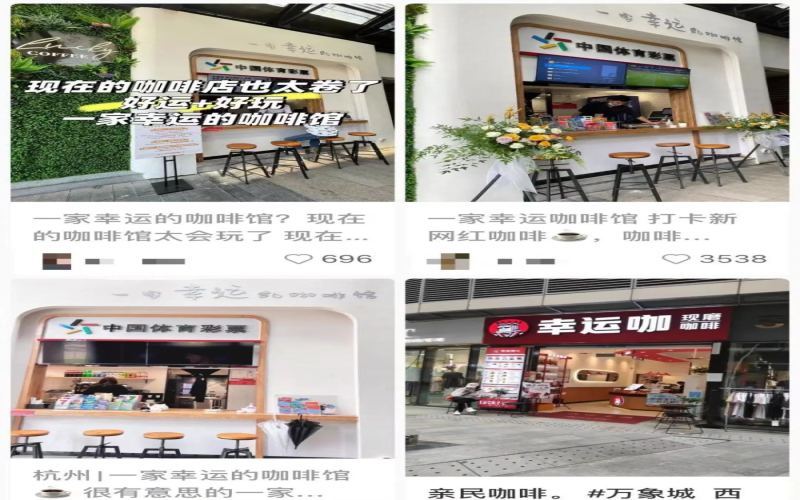
New Cross-Industry Play in the Coffee Arena: Lottery Partnerships, Brands Entering the Fray, and Ever-Intensifying Competition
Competition in the coffee market is becoming increasingly fierce, and it is already difficult to spark consumers' interest with just a latte or an Americano. From post office coffee to lottery joint stores, from sports brands to tech companies, players from all sides are entering the market, trying to attract young people's attention through cross-industry integration. A small shop in Hangzhou called "A Lucky Cafe" became popular on Xiaohongshu thanks to its combination of coffee and lottery tickets, sparking discussions among netizens about this kind of joint-operation model. In fact, as early as 2019, stores combining welfare lottery and coffee had already appeared in Shanghai. This model can not only bring consumers a fresh experience, but also help brands reduce rent and labor costs. This article will take you through the current state of cross-industry joint operations in the coffee industry and the logic behind them. [more…]
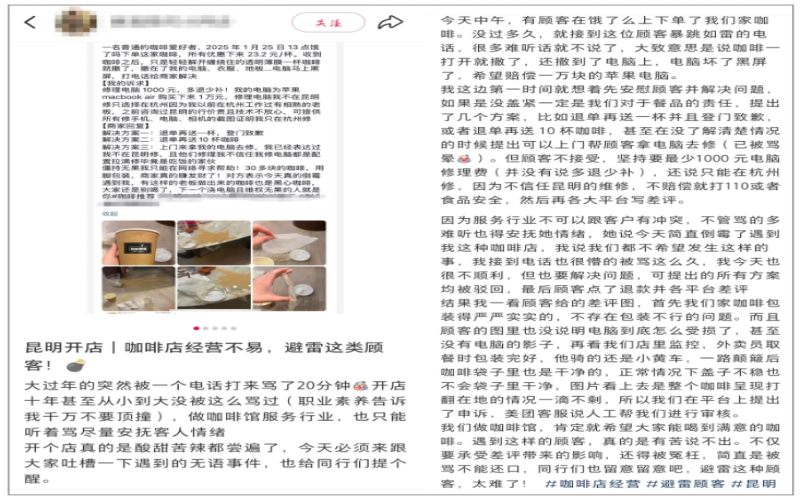
Delivery coffee spill damages computer, claim for 10,000 yuan? Shop reviews surveillance to prove packaging was secure.
A cup of takeaway coffee sparked a dispute over ten thousand yuan in compensation, landing a coffee shop in an agonizing predicament. The customer claimed that after opening the coffee, it spilled onto a laptop, causing the screen to go black, and demanded ten thousand yuan in compensation from the shop, while leaving negative reviews on major platforms. After reviewing its own surveillance footage, the shop confirmed that there were no issues with the packaging or sealing of the order, and the photos provided by the customer also showed that the inside of the takeaway bag was perfectly clean. Who should be held responsible in this dispute? How should businesses respond to such complaints? This article will recount the sequence of events, present the perspectives of the shop, the customer, and netizens, and explore how businesses in the service industry can reasonably protect their own rights and interests. [more…]

Major brands are rushing into the coffee arena. Is this a new market opportunity or just a fleeting internet-famous fad?
In recent years, the coffee market has continued to expand, yet competitive pressure within the industry has also intensified. As the number of coffee shops surges, well-known companies such as Sinopec, Huawei, China Post, and Li-Ning have all made cross-industry forays into the coffee business, and the Weizhi Group behind Gold Roast cereal has also increased its investment. Some see this as a reflection of consumption upgrading, while others worry that a stampede of big brands into cross-industry ventures will ultimately end in a mess. Is cross-industry coffee a rational choice that follows market logic, or merely short-term marketing sustained by novelty alone? This article analyzes market data, brand advantages, and industry barriers to explore whether cross-industry coffee can shake off the label of "short-lived internet celebrity." [more…]